The Power of Connection: Reflections from the Villars Symposium

The Villars Symposium was an global gathering of 300 people to focus on Planetary Health Education. It was one of those rare experiences that leaves you thinking differently long after you've returned home.
Learning from brilliant minds across disciplines, generations and cultures reinforced a simple truth: the challenges we face are too complex for any one perspective to solve.
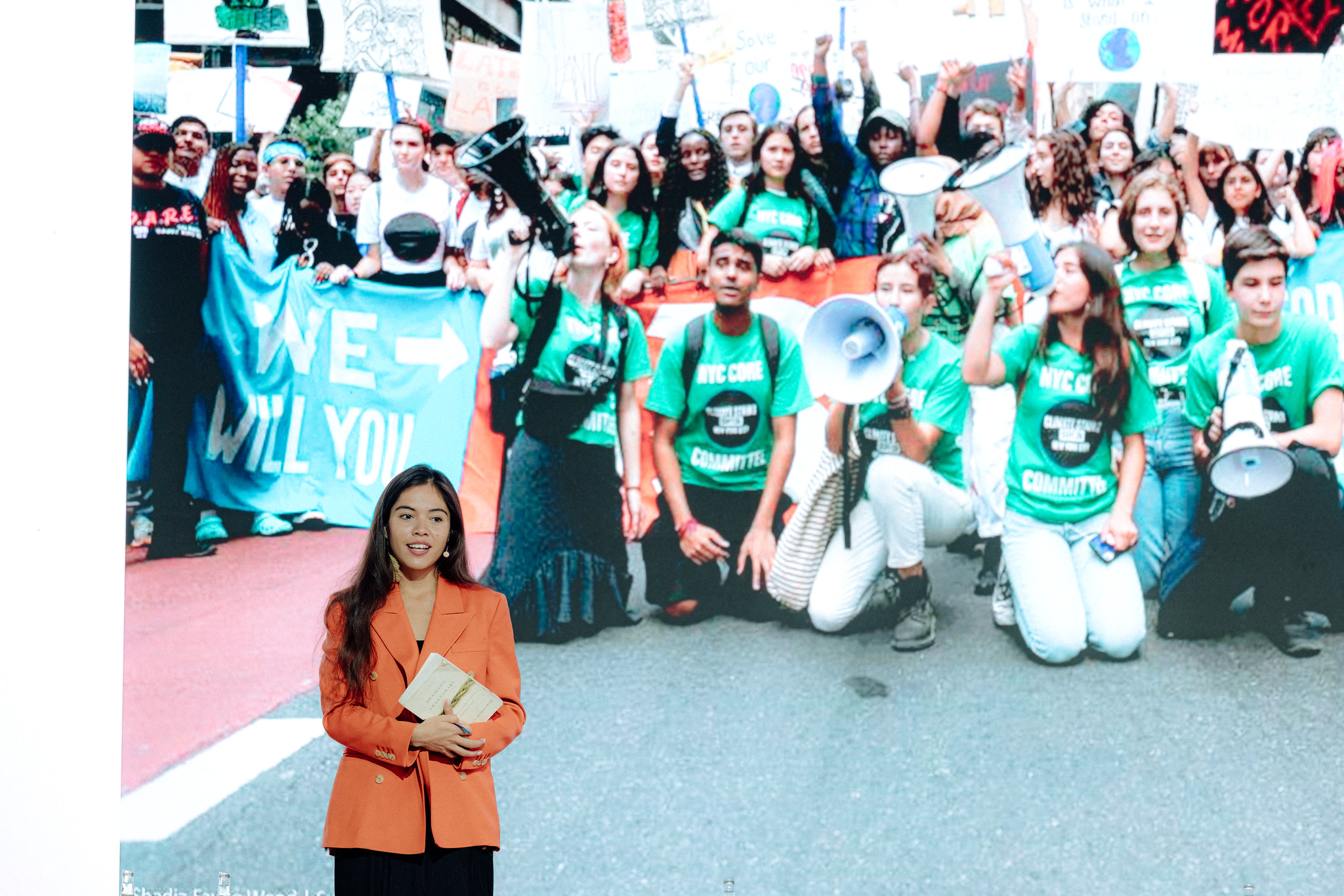
It was inspiring to hear Thomas Crowther explore the power of feedback loops and how living systems can accelerate positive change. Linda Booth Sweeney challenged us to think more deeply about systems, relationships and the patterns that shape the world around us. Xiye Bastida was a powerful reminder that Indigenous knowledge, youth leadership and activism are not separate from the solutions, they are central to them.
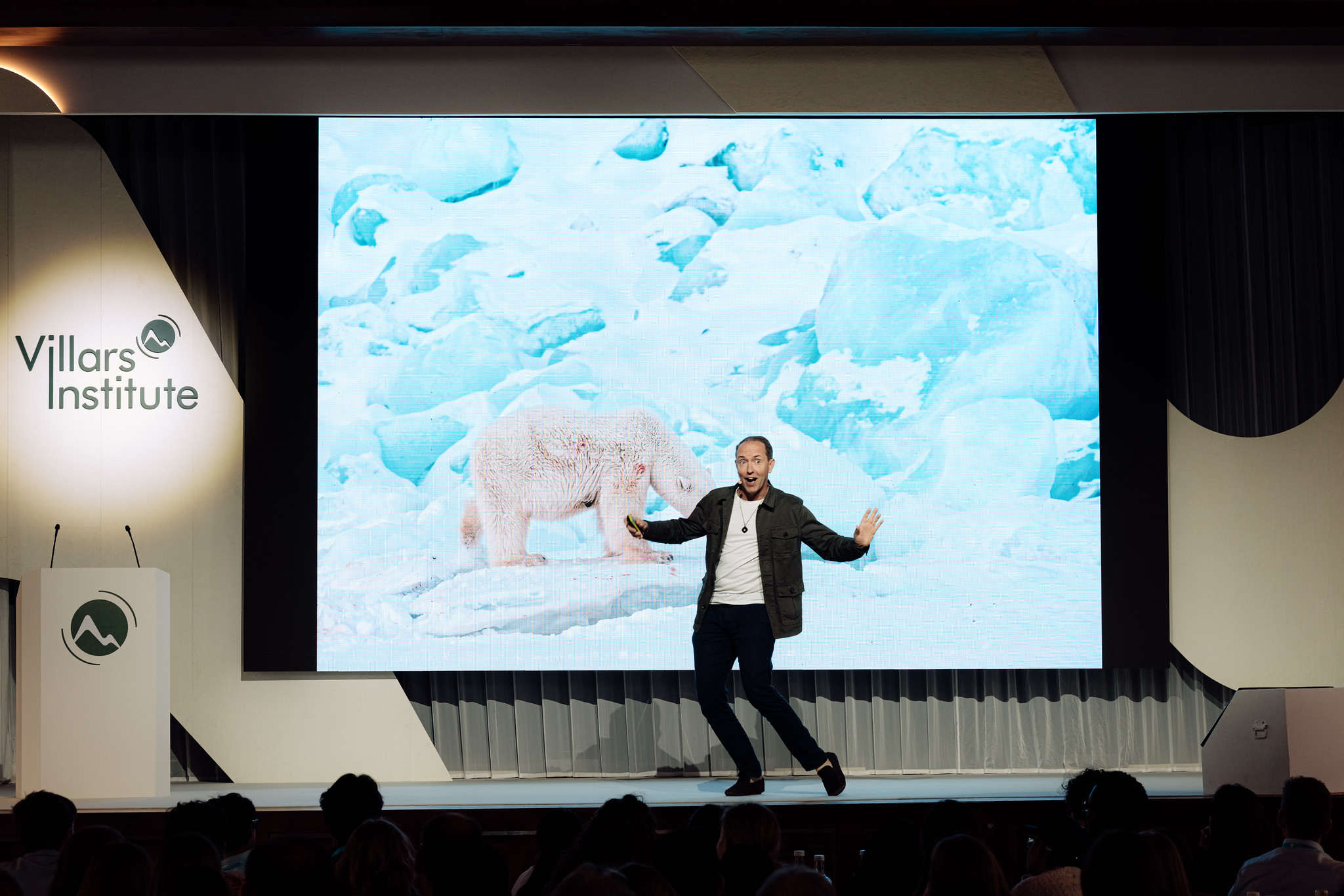
One of the most memorable presentations came from acclaimed conservation photographer Mattias Klum, whose extraordinary stories and imagery highlighted a powerful idea: people protect what they are connected to. This theme echoed throughout the symposium. Again and again, speakers reflected on childhood experiences in nature that had shaped their values, identities and commitment to protecting the natural world.
His words prompted me to reflect on my own childhood. I remembered playing in forests, building dams in streams, exploring rock pools for starfish and camping with friends. Nature was a place of belonging, adventure and wonder. Those experiences didn't just create happy memories, they fostered a deep sense of connection to the living world.
That reflection reinforced for me why the work of early childhood education matters so much. If people protect what they are connected to, then the early years are a pivotal time for nurturing those connections. Kindergartens have a unique opportunity to help children develop relationships with the natural world through curiosity, exploration, play and care for the environments around them. These early experiences lay the foundations not only for learning, but for stewardship, responsibility and a lifelong sense of belonging.
What made Villars so special wasn't just the speakers. It was the intergenerational and interdisciplinary dialogue. Scientists, educators, business leaders, Indigenous leaders, young people and changemakers learning with one another rather than from one another.
It was also a privilege to meet Lasse Leponiemi, CEO of HundrED, and celebrate Kaitiaki Kindergartens being recognised globally for our approach to equity and sustainability in early childhood education.
The experience reinforced something I've believed for a long time: our youngest learners have an important role to play in creating a thriving future. By fostering curiosity, agency, connection to nature and a sense of belonging from the earliest years, we are helping to grow future generations who care deeply about their communities and the planet they share.
I returned to Aotearoa incredibly grateful, inspired by the people I met, and more convinced than ever that the everyday work happening in our kindergartens can create extraordinary ripple effects. When children develop meaningful connections to people, place and nature in their earliest years, they are more likely to become the adults who protect and restore the world around them. For our tamariki, our communities and our planet, those connections matter.